
Finding hidden items in a picture is a classic pastime that has entertained people of all ages for a very long time. These visual challenges are more than just a game; they are a true workout for your mind. They require you to use your “visual processing power” to distinguish between what belongs in a scene and what has been tucked away by a clever artist. When you first look at an image, your brain tries to make sense of the whole picture, but the real secret to winning is learning how to spot the tiny details that don’t quite fit.
The Challenge Awaits
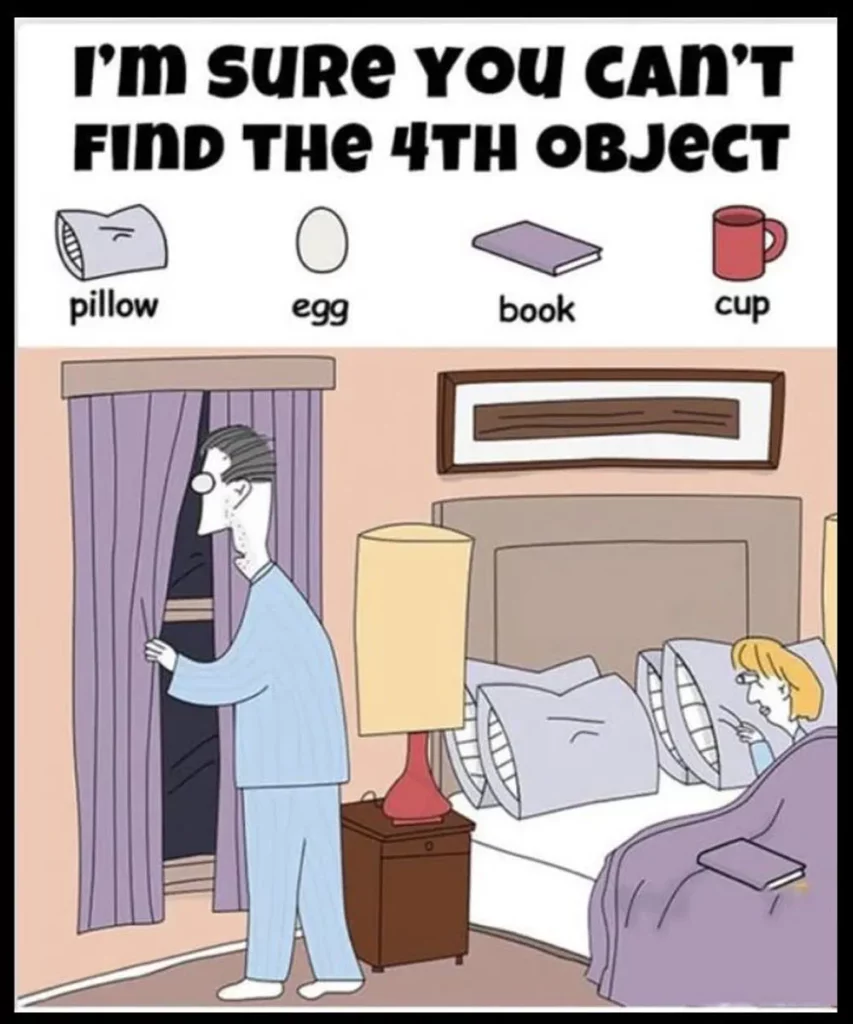
Imagine looking at a peaceful photo of a typical bedroom. Everything looks exactly as it should—there is a bed with clean sheets and a warm glow coming from a lamp on the side table. It feels cozy and completely normal. However, “nothing unusual, right?” Actually, there is a lot more going on than you might think.
Hidden within this calm setting are four specific items that have been camouflaged to blend in with the furniture and decor. Your mission is to spot the book, egg, cup, and pillow hidden somewhere in the room.
To make this even more exciting, we have a time limit for you. Most people find that the real pressure starts when the clock begins to tick. “You need to try and find those objects in 17 seconds.” While that might sound like plenty of time, many people realize that “if you believe this is an easy task, think again.”
Pro Tips for Success
If you want to beat the clock, you need a solid plan. Instead of looking at the whole image at once, try these strategies:
- Focus on Outlines: Don’t get distracted by bright colors. Instead, look for the specific shapes of a cup or a book.
- Check the Corners: Many people forget to look at the very edges of the photo.
- Scan the Clutter: Places like bookshelves or messy nightstands are perfect hiding spots.
- Watch for Overlaps: Sometimes an object is hidden behind something else, like a lamp or a frame.
As you search, keep in mind that “once you spot the first hidden object, you’ll never look at the photo the same way again.” The way your brain recognizes patterns will change the moment you find that first item!
Did You Find Them?
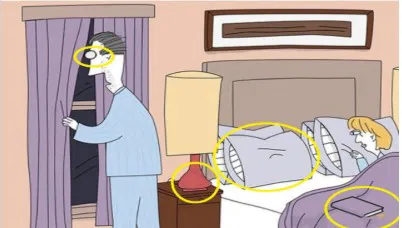
How did you do? If you were able to find all four items before the 17 seconds were up, you have excellent focus and great attention to detail. If you are still struggling, don’t worry—these puzzles are designed to be tricky. You can always scroll down to see the answers, or give it one more try by scanning the bedding and the shadows one last time.
If you finished the hunt, we want to hear about your experience. Be sure to “tell us how much time it took you to spot every of the four hidden objects.”


0 Comment:
Enregistrer un commentaire