
When you board an airplane and take your seat, you might notice that the cabin lights dim during takeoff and landing. This common practice isn’t intended to help you sleep; rather, it serves as a vital safety measure to prepare both passengers and crew for potential emergencies.
Why Do Airline Crews Dim the Cabin Lights? (It’s Not Just to Help You Sleep)
Pixabay
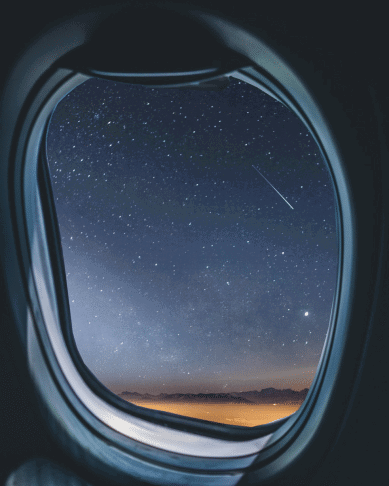
The primary reason for dimming the cabin lights during takeoff and landing is to allow both passengers and crew to adjust their eyes to lower light levels. “During dawn, dusk, and night, flight crews dim the lights so that in case of an emergency where passengers and the flight crew have to abandon the aircraft, their eyes are already accustomed to the dark,” explains Dan Bubb, a former airline pilot and current associate professor at the University of Nevada, Las Vegas. It takes approximately 5 to 10 minutes for the eyes to transition from bright light to darkness, a crucial adjustment if evacuation becomes necessary.
Critical Phases of Flight
Pixabay
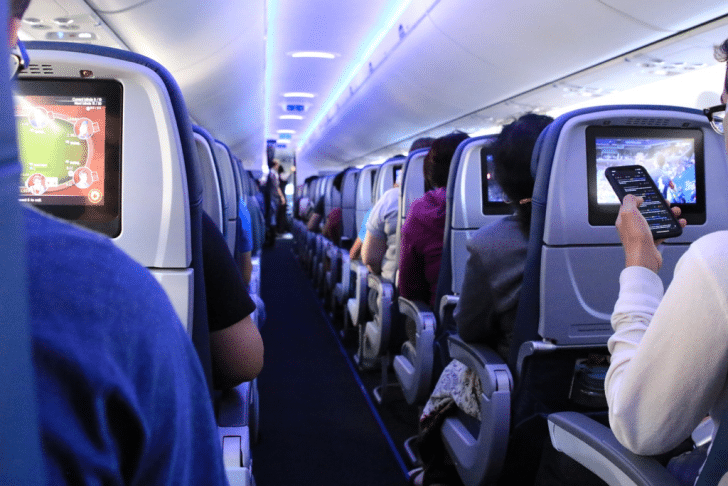
Takeoff and landing are the most perilous moments of a flight. According to Boeing, 21% of fatal accidents occur during takeoff and initial climb, while 46% happen during final descent and landing. During these phases, pilots are focused on monitoring aircraft systems, scanning the environment, and adhering to air traffic control instructions. The aircraft is also in a “dirty configuration” with wing flaps and landing gear deployed, making it more susceptible to complications.
Enhancing Emergency Preparedness
Pixabay
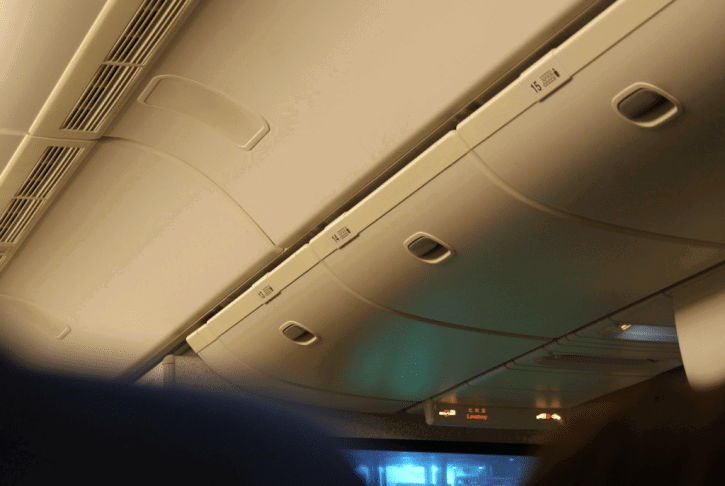
Dimming the cabin lights ensures that, in the event of an emergency evacuation, passengers can quickly and safely locate the exits. The reduced lighting makes illuminated emergency exit signs and floor path lighting more visible. “The lights in the cabin are dimmed at dusk and during dark conditions, allowing your eyesight to adjust for a more efficient evacuation,” states Sue Fogwell, a former United Airlines flight attendant.
Other Lighting Adjustments
Pixabay
-- Advertisement --
In addition to dimming the lights, flight attendants instruct passengers to complete various tasks such as closing tray tables, stowing bags, and returning seats to their upright positions. These actions create clear pathways to the exits. Additionally, flight attendants may request that passengers open their window shades. “Raising your window shade during takeoff and landing enables flight attendants to assess any external hazards — such as fire or debris — that could hinder an emergency evacuation,” explains airline pilot Patrick Smith.
Conserving Energy and Passenger Comfort
Pixabay
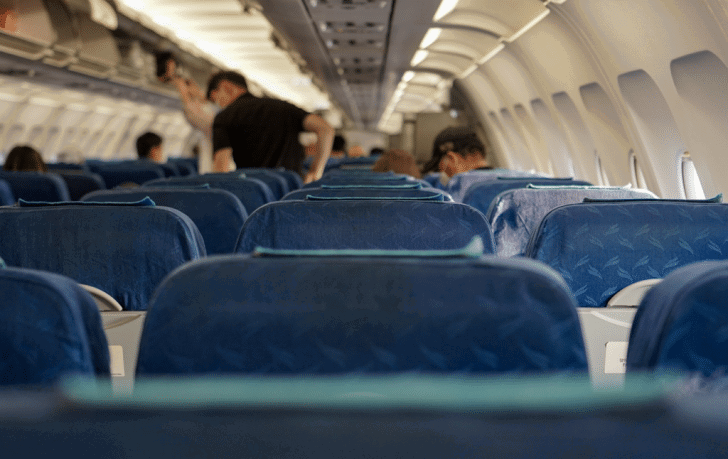
Beyond safety, dimming the lights during nighttime flights conserves energy and establishes a more restful atmosphere for passengers. After takeoff, once passengers are settled, the lights are typically dimmed to promote a calming environment conducive to sleep.
Final Thoughts
Next time you observe the cabin lights dimming, remember that it is an essential safety procedure designed to ensure everyone on board is prepared for any emergency. By allowing your eyes to adjust to lower light levels, airlines enhance your ability to see and navigate if a quick evacuation becomes necessary. This small detail, along with other safety measures, significantly contributes to optimizing conditions for a safe flight experience.


0 Comment:
Enregistrer un commentaire