
mage Credit: Max Pixel
Upside-Down Balusters: Mistake or Intention?
A closer look at staircases in historic homes may uncover an inverted baluster breaking the symmetry.
While it could be dismissed as a human error, history and folklore suggest these anomalies are often deliberate.
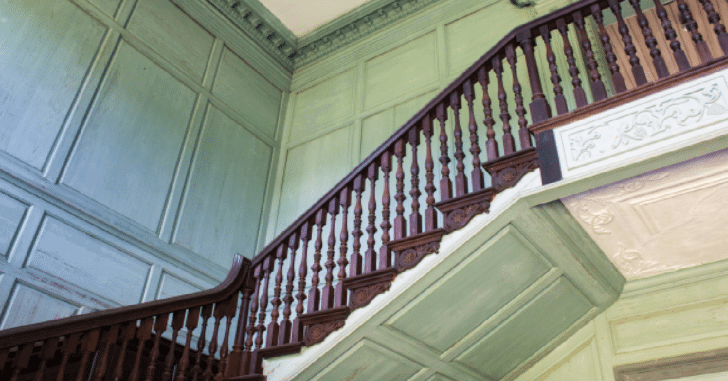
Image Credit: PXHERE
Symbolism and Superstition: Stories Behind Inverted Balusters
In various traditions, upside-down balusters are shrouded in superstition and symbolism.
Folklore attributes protective qualities to these spindles, believed to ward off evil spirits and bring good fortune.
In Scottish lore, they are sometimes linked to covert support for figures like Bonnie Prince Charlie.
Architectural Imperfections: A Nod to Humility
Historically, craftsmen occasionally introduced intentional imperfections into their work to reflect humanity’s flaws compared to divine perfection. This tradition is evident in buildings such as the South Dakota and Wyoming State Capitols, where inverted balusters serve as subtle markers of this age-old belief.
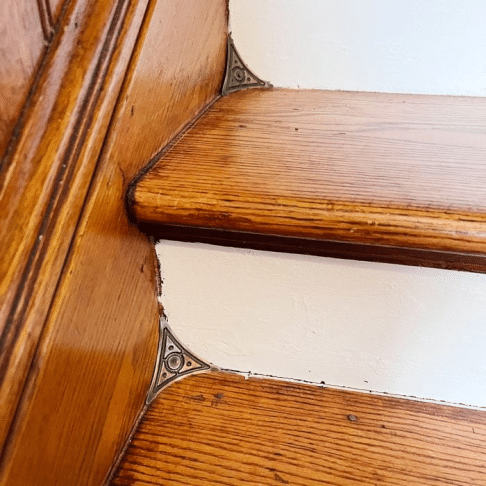
Image Credit: U/LOCALSALESREP/REDDIT.COM
Modern Fascination with Historical Quirks
Today, upside-down balusters spark curiosity and discussion, embodying layers of history, tradition, and superstition. Far from being mere mistakes, these features provide a glimpse into the creativity and beliefs of past generations.
The next time you spot an inverted spindle, take a moment to consider the stories it carries—each one a small window into the rich tapestry of architectural history.
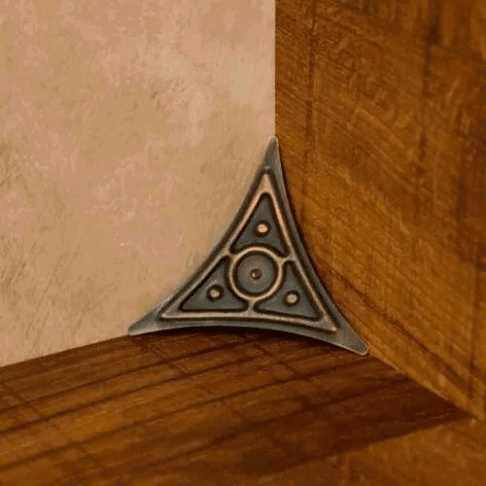
Image Credit: U/LOCALSALESREP/REDDIT.COM
Historic Staircase Treasures: Dust Corners and Stair Rods
Older homes often feature distinctive staircase elements like dust corners and stair rods, both functional and decorative solutions that reflect the ingenuity of their time.
Dust Corners: Practical Elegance
In the late 19th century, dust corners were introduced to ease the chore of cleaning stair crevices. These metal guards, placed at stair corners, prevented dust from gathering, while also adding a touch of charm to wooden staircases. Today, they serve as timeless decorative accents, perfect for enhancing awkward spaces like corners near fireplace moldings.
Where to Find Dust Corners
Specialty retailers such as House of Antique Hardware offer authentic vintage options, while online platforms like Amazon and Etsy provide a wide range of styles, from classic to whimsical designs.
Stair Rods: A Blend of Function and Style
Originally designed to secure runner carpets on staircases, stair rods are now cherished for their vintage aesthetic. Though their functional use has diminished with modern carpeting techniques, they remain a stylish nod to the past. Made from materials like brass and wrought iron, they add a touch of sophistication to any staircase.
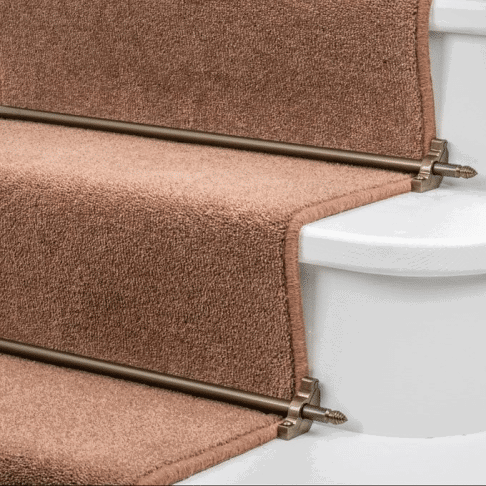
Image Credit: STAIRRODS.CO.UK
Where to Find Stair Rods
Look for stair rods at hardware stores specializing in period home restoration or browse online retailers like Wayfair and Amazon for diverse options, from traditional to contemporary designs.
Preserving Historic Charm in Modern Homes
Whether it’s an upside-down baluster, a dust corner, or a stair rod, these architectural details serve as enduring symbols of history, craftsmanship, and tradition. Incorporating such elements into your home not only preserves their legacy but also adds a unique charm to modern interiors.
Where to Find Stair Rods
Discover stair rods at specialty hardware stores that focus on period home restoration. Or browse online platforms such as Wayfair and Amazon for a wide variety of options.
Stair rods provide a versatile way to enhance your staircase with elegance and personality.


0 Comment:
Enregistrer un commentaire